Book Now
+62 858-4738-7686Story
Baluran: The Lost Tigers of Java

Before Baluran became known as the Africa of Java, its grasslands held a very different secret. Hidden among the tall grasses was one of the island’s most feared predators — the Javan tiger.
When Tigers Ruled the Grasslands
Imagine crossing the wild plains of East Java more than 200 years ago.
There are no paved roads, no safari vehicles, and no tourists photographing deer beneath the trees.
The grass reaches well above your head. Somewhere in the distance, an animal moves through the vegetation.
You cannot see what it is.
In 1805, traveller John Joseph Stockdale crossed the Baluran region and described an immense wilderness of towering grasses, narrow trails, and dangerous wildlife.
Tigers were among the animals travellers feared encountering.
And remarkably, the wild banteng — Java’s powerful native cattle — were considered an even greater danger.
This was a very different Baluran from the peaceful savannah visitors recognise today.
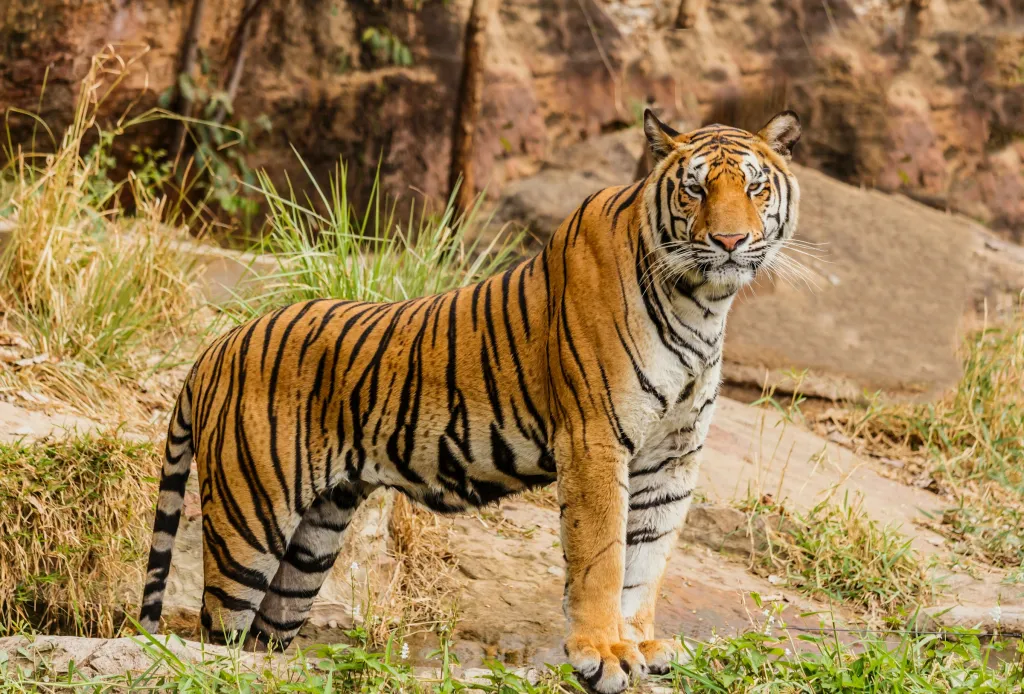
The Predator That Disappeared
For centuries, the Javan tiger lived across the island’s forests and grasslands.
Smaller than some of its mainland relatives, it was nevertheless a formidable predator, perfectly adapted to Java’s landscapes.
But as forests disappeared, settlements expanded, and hunting increased, the tiger’s world began to shrink.
By the twentieth century, its population had collapsed.
The Javan tiger is now considered extinct, although occasional reports and unconfirmed sightings have continued to capture the public imagination.
Today, visitors to Baluran may encounter deer, peacocks, wild buffalo, and the magnificent banteng.
But the tiger is missing.
Its absence is part of the story of how Java’s wilderness has changed.
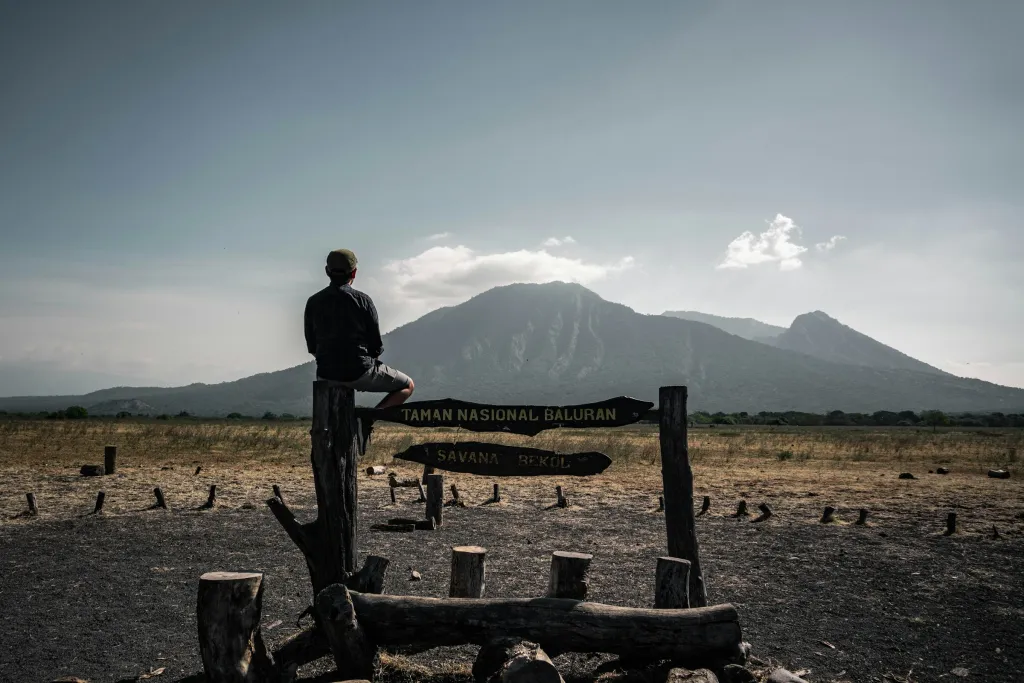
The Savannah That Almost Vanished
Baluran’s wildlife faced another unexpected threat.
Not a predator, but a tree.
An introduced thorny acacia spread aggressively across the savannah, replacing open grasslands with dense vegetation.
As the grasses disappeared, animals such as banteng lost important feeding grounds.
Conservation teams have spent years working to restore these habitats, removing invasive trees and protecting the remaining wildlife.
It is a reminder that even landscapes that appear untouched can be surprisingly fragile.
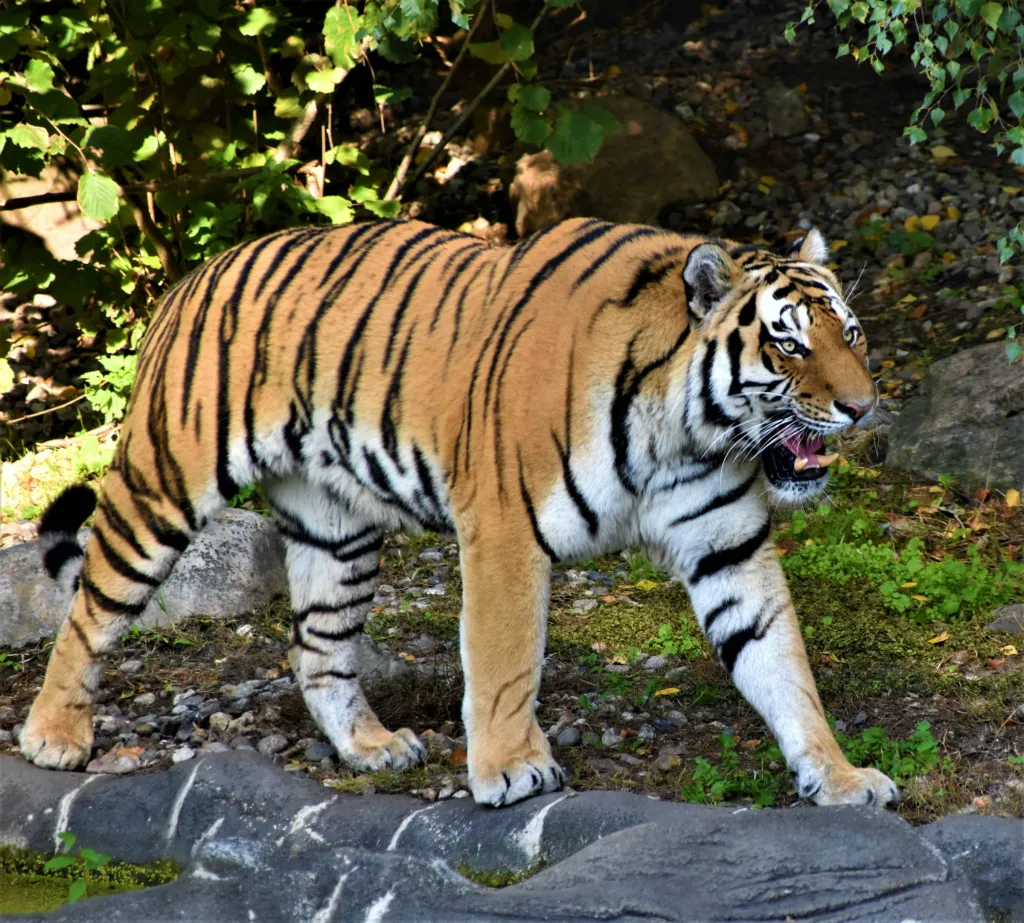
A Wilderness with a Memory
Today, the golden grasslands of Baluran stretch towards the slopes of an ancient volcano.
Deer graze in the open. Peacocks wander between the trees. Wild banteng move across the plains.
It is easy to understand why Baluran is called the Africa of Java.
But imagine standing here two centuries ago, when the grasses towered overhead and the possibility of encountering a tiger was real.
The landscape may look peaceful now, yet it carries the memory of a much wilder past.
Baluran is not simply a place to see wildlife. It is a place to discover the extraordinary animals that remain — and remember those that have disappeared.